

We appreciate the Australian Government’s dedication to addressing the national bullying crisis affecting young Australians and believe the funding allocated to the National Bullying Campaign in response to the Anti-Bullying Rapid Review is a necessary step forward to shift this burden on society.
However, we would also like to acknowledge that so much of the conversation is about what we do once bullying happens, or once a young person is already struggling with their mental health. Of course, those supports are absolutely critical to meet the diverse needs of young people today. But we also need to be asking, what can we do much earlier to reduce the likelihood of getting to that point?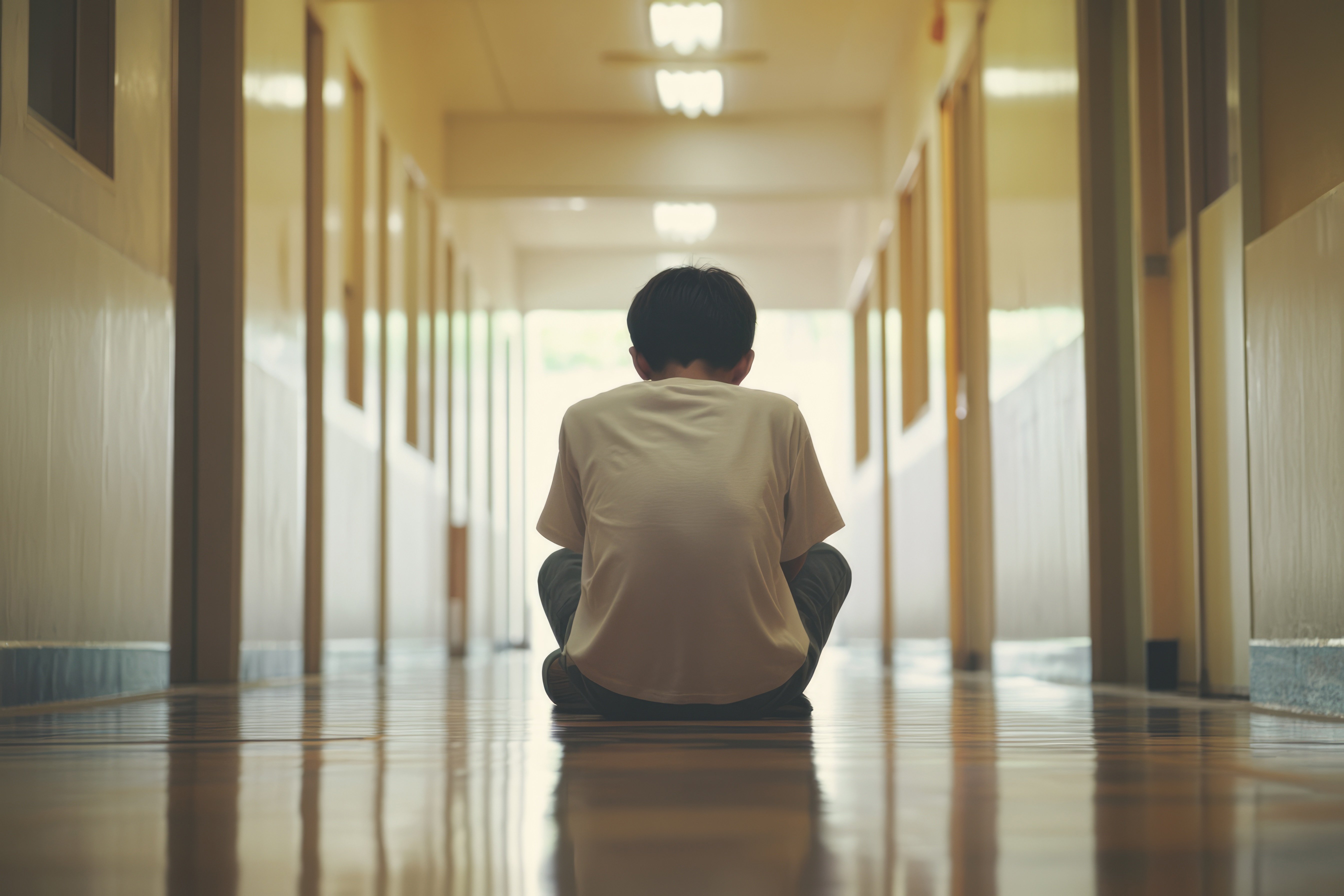
We are seeing concerning levels of anxiety, depression, self-harm and suicidal ideation among young people and if we want to change that trajectory, prevention must be a much bigger part of the conversation.
For us at the b kinder foundation, that means starting upstream. We believe that investment should be at both ends of the problem, supporting young people when harm has occurred, while also equipping children early with the skills that can help prevent harmful behaviours from developing in the first place.
A $10 million national advertising campaign can raise awareness, but the same level of investment in prevention could create direct, sustained impact inside schools. For the b kinder foundation, $10 million would enable us to make our evidence-based school resources and programs available to more than 10,000 schools across Australia, effectively reaching every school in the country. This would represent an opportunity to do more than raise awareness. It is an opportunity to help change school culture from the ground up, by giving children practical skills in empathy, kindness, emotional regulation, respect, inclusion and an understanding of how their words and actions affect others.
These are not simply positive values; they are essential life skills. They help children build healthier relationships, navigate conflict, communicate effectively, develop resilience and contribute to safer, more inclusive school communities. If we can equip children with these social and emotional skills, we have a much better chance of creating healthier school communities and ultimately improving the mental health outcomes we are seeing in young people.
Our message is that we absolutely need strong responses to bullying, but we also need to place equal focus on prevention and early intervention to stop harmful events before they occur.
